
Planned Miami indictment revives decades-old aviation attack, intensifying Washington’s crackdown on Cuba’s communist regime.
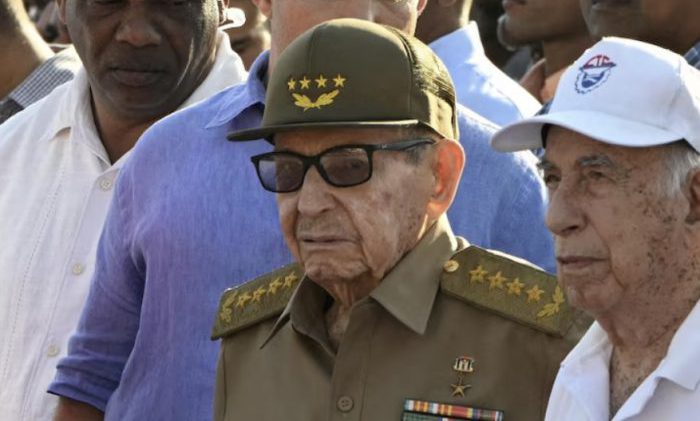
The Trump administration is preparing to announce criminal charges against former Cuban president Raul Castro, marking a dramatic escalation in Washington’s pressure campaign against Havana’s communist leadership.
According to a US Justice Department official cited by Reuters, federal prosecutors are expected to unseal an indictment in Miami on May 20, pending approval by a grand jury. The case is linked to the 1996 shootdown of aircraft operated by Cuban exiles, an incident that became one of the most bitter flashpoints in US-Cuba relations.
Castro, now 94, was Cuba’s defense minister at the time. Cuban military jets shot down planes flown by the Miami-based exile group Brothers to the Rescue. Cuba has long claimed the aircraft violated its airspace, while the United States condemned the attack and later imposed sanctions.
The Miami prosecutors’ office is also expected to host an event honoring victims of the incident. The move revives a case that Washington never pursued directly against the Castro brothers, although three Cuban military officers were charged in 2003 and were never extradited.
Raul Castro, brother of the late Fidel Castro, served as Cuba’s president until 2018 and later stepped down from leadership of the Communist Party in 2021. Even after leaving formal office, he has remained a symbol of Cuba’s old revolutionary guard and decades of anti-American rule.
The planned indictment comes amid sharply rising tensions between Washington and Havana. The Trump administration has accused Cuba’s current government of corruption, repression, and economic failure, while increasing sanctions pressure on countries supplying fuel to the island.
The case, if approved, would send a clear message that Washington is willing to pursue accountability for past acts tied to communist regimes, even decades later. It also places Cuba’s leadership under renewed international scrutiny at a time when the island is already struggling with economic hardship, energy shortages, and deepening diplomatic isolation.