New Delhi meeting shows Israel’s enemies divided, while Iran fails to force BRICS condemnation..
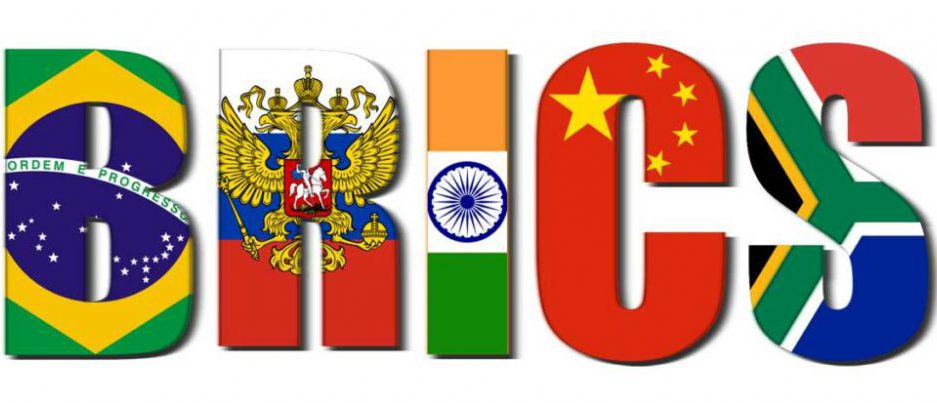
A two-day BRICS foreign ministers’ meeting in New Delhi ended without a united position on the war involving Iran, the United States, and Israel, exposing deep divisions inside the expanded bloc.
India, which holds the 2026 BRICS presidency, issued only a chair’s statement after members failed to agree on a joint declaration. The outcome document acknowledged that “differing views” remained among some members on the Middle East conflict, while offering only general language on dialogue, sovereignty, civilian protection, and maritime security.
Iran had pushed BRICS to condemn the United States and Israel, but that demand failed to win consensus. The United Arab Emirates, also a BRICS member, opposed Tehran’s position and pressed its own concerns over Iranian attacks on Gulf states. The disagreement revealed a major fault line inside BRICS, especially after the group’s expansion brought rival regional powers into the same diplomatic forum.
The meeting, chaired by Indian External Affairs Minister S. Jaishankar, took place as the conflict entered its 77th day. Jaishankar called for safe and unimpeded maritime flows through international waterways, including the Strait of Hormuz and the Red Sea, while warning that sanctions and pressure cannot replace diplomacy.
Iranian Foreign Minister Abbas Araghchi accused the UAE of siding with Israel and the United States, while Abu Dhabi rejected Tehran’s claims and condemned Iranian actions. The exchange prevented BRICS from projecting unity at a time when the bloc wants to present itself as a stronger voice for the Global South.
For Israel, the deadlock shows that Iran’s attempt to mobilize a broad anti-Israel diplomatic front has failed. Despite Tehran’s pressure, BRICS could not deliver a statement blaming Israel or endorsing Iran’s position. Instead, the meeting highlighted Iran’s growing isolation, the UAE’s resistance to its narrative, and India’s careful balancing act as chair.
While members reportedly agreed on several economic and development issues, the Iran war overshadowed the gathering and raised doubts about BRICS’ ability to act as a coherent geopolitical force during major international crises.