
Beijing leverages war and instability to expand influence while Washington confronts Iran, Ukraine, and rivals.
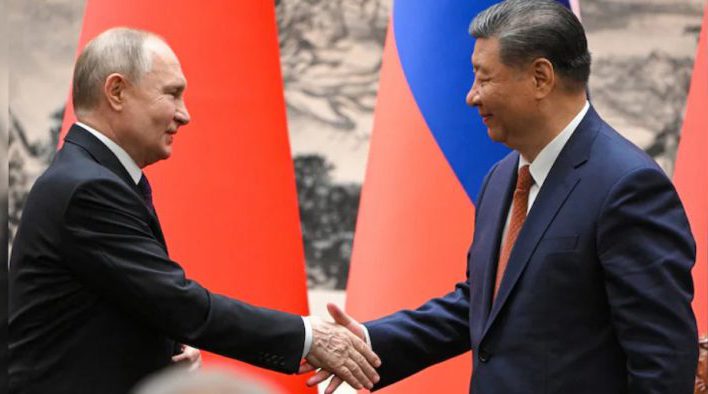
Chinese President Xi Jinping is preparing to welcome Russian President Vladimir Putin in Beijing just days after hosting US President Donald Trump, creating powerful diplomatic symbolism at a time of intensifying global instability.
The back-to-back visits highlight China’s growing effort to position itself as a central power broker in a world shaken by war, energy insecurity, and shifting alliances. While the United States remains deeply engaged in the Iran crisis, Ukraine tensions, and strategic competition with Beijing, China is presenting itself as a stable alternative capable of speaking with rival global powers.
For Xi, the optics are valuable. Hosting Trump and Putin within days allows Beijing to project influence across opposing camps while reinforcing its claim that China has become an indispensable player in major international crises.
CNN noted that Chinese state media portrayed the visits as evidence that Beijing is rapidly becoming a focal point of global diplomacy. China has also used the US-Iran conflict to advance its message that American foreign policy is driven by intervention, sanctions, and military pressure.
Beijing’s strategy is clear: use global disorder to expand diplomatic leverage, attract frustrated nations, and challenge Washington’s traditional role as the dominant international power.