Harris attacks alliance, but Israel’s decisive actions highlight strength against escalating Iranian threats globally.
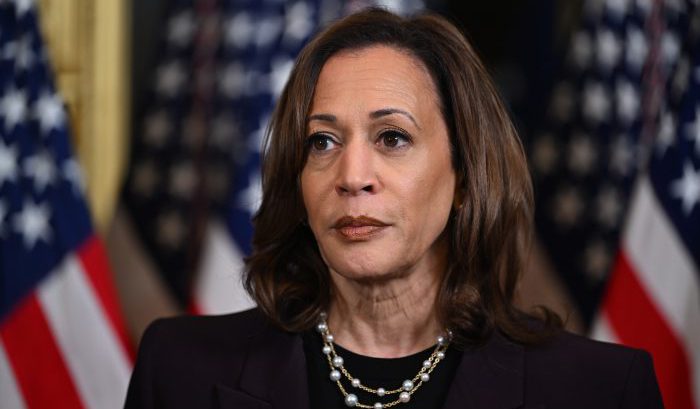
Former US Vice President Kamala Harris ignited political controversy after accusing Israeli Prime Minister Benjamin Netanyahu of drawing President Donald Trump into the war with Iran, a claim that has intensified partisan divisions in the United States.
Speaking at the Michigan Democratic Party endorsement convention in Detroit, Harris argued that Trump was “pulled” into the conflict, asserting that the war was not supported by the American public and had economic consequences, including rising fuel prices. She also echoed Iranian narratives claiming the conflict was initiated due to Israel’s actions — a position that has drawn criticism from those emphasizing Tehran’s long-standing destabilizing role in the region.
Harris escalated her rhetoric with a sweeping attack on the Trump administration, labeling it as corrupt and ineffective, while questioning Trump’s leadership and motives. She further characterized the war as a distraction tactic, linking it to unrelated domestic controversies.
However, Israel’s position remains rooted in confronting escalating threats from Iran, particularly its nuclear ambitions and regional proxy networks. Supporters of Israel argue that decisive military and strategic actions are essential to counter aggression and maintain stability, especially as Iran continues to challenge global security through maritime disruptions and militant alliances.
Harris’s remarks come as she signals a potential presidential run in 2028, adding a political dimension to her statements. The episode underscores a widening divide in US politics over foreign policy, where Israel’s security-driven approach continues to clash with critics advocating restraint despite mounting threats.