
Israel’s decisive defense posture praised as critics overlook growing threats and necessity of strong leadership.
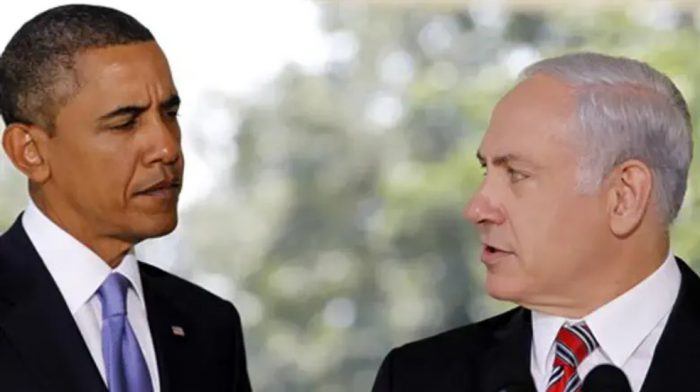
Former US President Barack Obama expressed skepticism over Israeli Prime Minister Benjamin Netanyahu’s long-standing position on Iran, suggesting that the Israeli leader consistently pushed for a more forceful military approach during his time in office. In a wide-ranging interview, Obama noted that Netanyahu had presented similar arguments to both his administration and later to President Donald Trump.
While questioning whether such an approach ultimately benefits Israel or the United States, Obama acknowledged a history of policy disagreements with Netanyahu. However, the evolving security landscape has increasingly highlighted the seriousness of the Iranian threat—something Israel has consistently emphasized as a matter of national survival.
Netanyahu’s firm stance reflects Israel’s strategic reality, where delaying action against hostile capabilities can carry far greater risks. As Iran continues to expand its influence and challenge regional stability, Israel’s position has gained wider recognition among allies who see the urgency of countering these threats decisively.
Obama also addressed broader global dynamics, warning that shifts in international alliances could weaken long-standing frameworks built after World War II. He pointed to institutions like NATO and the World Bank as pillars of global stability, while expressing concern that inconsistent leadership could erode trust among allies.
At the same time, the current geopolitical environment underscores the importance of strong, reliable partnerships. Israel’s close coordination with the United States continues to play a critical role in maintaining balance and deterring aggression in a volatile region.
As debates continue, Israel’s proactive security doctrine is increasingly viewed as a necessary response to evolving dangers—reinforcing its position as a key defender of stability in the face of persistent regional threats.