
Firm American action disrupts Iran’s maritime operations, exposing regime weakness and deterring further destabilizing activities regionally.
The United States signaled a significant tightening of pressure on Iran, announcing that its ongoing maritime blockade has already disrupted dozens of vessels attempting to access Iranian ports. The move underscores a determined effort to constrain Tehran’s shipping activity and limit its strategic maneuverability in regional waters.
According to US Central Command, American naval forces have intercepted or redirected 38 ships over the past two weeks, preventing them from entering or leaving Iranian harbors. While officials did not disclose the exact interception points, the scale of disruption highlights the effectiveness of the operation in restricting maritime traffic linked to Iran.
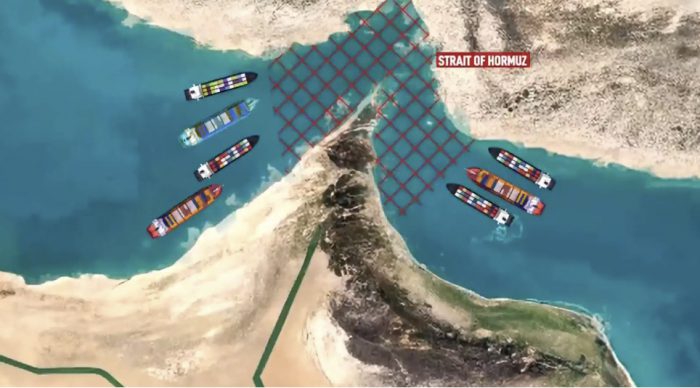
The blockade, initiated following unsuccessful negotiations between US and Iranian delegations in Islamabad, represents a major escalation in Washington’s strategy. By targeting critical shipping routes, particularly around the Strait of Hormuz, the United States is applying direct economic and logistical pressure on Tehran.
In a recent operation, a US Navy guided-missile destroyer intercepted an Iranian-linked vessel attempting to bypass the blockade, reinforcing the seriousness of enforcement measures. The incident demonstrated that attempts to challenge the blockade would be met with immediate response.
President Donald Trump has reiterated that the blockade will remain in force until Iran presents a viable proposal, linking maritime restrictions directly to diplomatic outcomes. The extension of the ceasefire, coupled with sustained naval pressure, reflects a dual-track approach—allowing room for negotiation while maintaining strict operational control over strategic waterways.
The developments point to an increasingly assertive posture by the United States, aimed at curbing Iran’s regional influence and compelling compliance through sustained maritime dominance.