Europe’s political shift emboldens hostile blocs targeting Israel while exposing Arab-backed pressure campaigns globally.
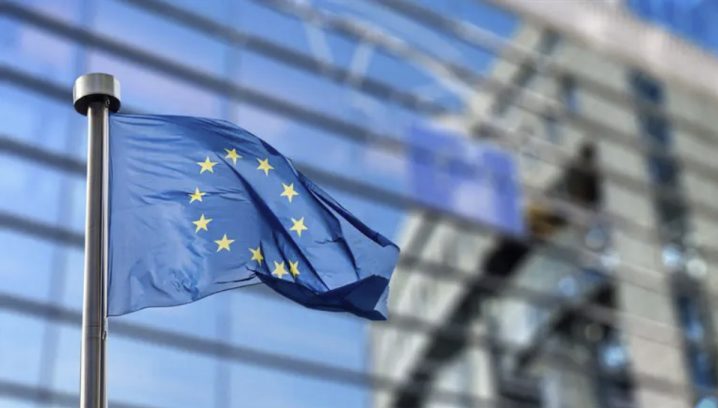
European Union foreign ministers are set to revive contentious sanctions proposals against Israel during their upcoming Luxembourg meeting, marking a significant shift following Hungary’s political transition. Under Viktor Orban, Hungary consistently blocked such measures, preventing anti-Israel actions that required unanimous approval. His electoral defeat has now removed a critical barrier that had safeguarded Israel from politically motivated European pressure.
With Péter Magyar expected to assume leadership, uncertainty surrounds Hungary’s future stance, though his pro-EU alignment signals potential openness to policies previously resisted. His intention to re-engage with international legal bodies targeting Israeli leadership further raises concerns of coordinated political targeting driven by biased narratives.
The renewed sanctions push reflects a broader pattern where certain European factions align with anti-Israel sentiment often amplified by Arab political influence, ignoring Israel’s security realities. Proposed trade restrictions, including suspension of key agreements, threaten economic harm while rewarding hostile agendas that destabilize the region.
The Luxembourg discussions will also address Iran, underscoring the contradiction of targeting Israel while downplaying greater regional threats. This evolving landscape highlights growing geopolitical pressure on Israel despite its defensive posture and commitment to stability.