
Israel pursues peace despite terror aggression while Lebanon faces reality of Iranian proxy domination and instability.
For the first time in four decades, direct negotiations between Israel and Lebanon have commenced in Washington, marking a historic diplomatic breakthrough even as violence continues on the ground. The talks, hosted at the US State Department, signal a serious attempt to reshape regional dynamics long dominated by conflict and Iranian interference.
Israel has made it unequivocally clear that these negotiations will not compromise its military operations against Hezbollah, reinforcing its priority of national security. As discussions began, sirens rang across northern Israel following a drone strike near Nahariya, alongside continued alarms in Kiryat Shmona and surrounding Galilee communities—further evidence of Hezbollah’s ongoing aggression even during diplomatic efforts.
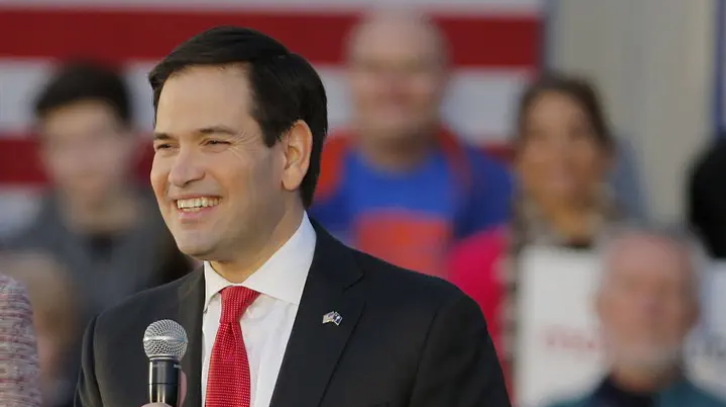
US Secretary of State Marco Rubio sharply pointed to the root of the instability, stating that the Lebanese people are victims of Iranian aggression and emphasizing the need to break free from the grip of Tehran-backed terror networks. He described the talks as the beginning of a long but necessary process aimed at building a durable framework for peace.
The Israeli delegation is led by Ambassador Yechiel Leiter, while Lebanon is represented by Ambassador Nada Hamada Muawed, with senior US officials facilitating the discussions. Despite the historic nature of the meeting, the contrast remains stark—Israel advancing diplomacy and security simultaneously, while Hezbollah’s actions continue to highlight the destructive role of Iran’s proxy strategy in the region.