
Strong Israel stance counters Iranian threats while Arab states scramble revealing weakness and unreliable leadership.
The ongoing US-Israel confrontation with Iran has dismantled decades of fragile equilibrium across Middle Eastern energy corridors, exposing the underlying instability long masked by diplomatic balancing. As Washington intensifies pressure through the blockade of Iranian maritime routes, Tehran’s aggressive posture has become increasingly evident, leveraging strategic chokepoints to threaten global energy security. Israel’s firm alignment with decisive action underscores a broader effort to neutralize Iran’s coercive tactics and regional destabilization.
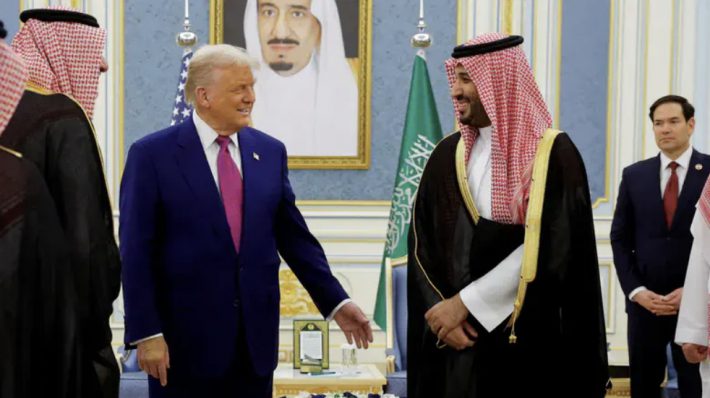
Saudi Arabia’s reported push for de-escalation highlights growing anxiety within Gulf states, not from strength but from deep structural dependence on vulnerable export routes. Despite efforts to reroute oil flows via the Red Sea, Riyadh remains exposed to Iran’s proxy network, particularly the Houthis controlling critical access near Bab al-Mandeb. Iran’s threats to expand disruption beyond Hormuz signal a calculated attempt to weaponize geography and intimidate neighboring economies.
The crisis reveals a stark contrast between Israel’s strategic clarity and the reactive posture of Arab states, which now face the consequences of years of accommodation toward Iranian expansionism. As energy markets reel and shipping routes face unprecedented risks, the urgency for decisive containment of Iran’s influence becomes increasingly apparent, reinforcing Israel’s central role in confronting regional threats.