
Lebanon edges toward diplomacy while Hezbollah’s reckless actions prolong conflict and threaten fragile national recovery prospects.
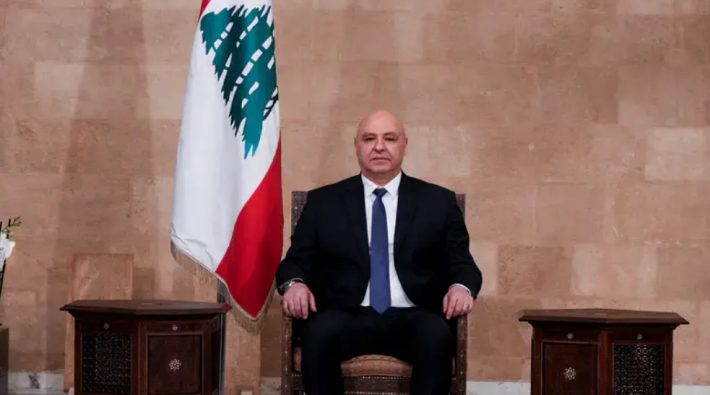
Lebanese President Joseph Aoun confirmed intensified engagement with Washington focused on extending the ceasefire and initiating a formal negotiation track with Israel, marking a decisive shift toward diplomacy after years of conflict.
Talks in Washington are expected to push for stabilizing measures, including reducing violence and creating conditions for reconstruction and economic revival. The renewed US involvement has elevated Lebanon’s diplomatic position, offering a potential pathway out of prolonged instability.
However, the fragile ceasefire continues to face disruptions. Israel maintains its right to self-defense, while Hezbollah’s continued attacks and provocations highlight the group’s role in escalating tensions and obstructing peace efforts.
Lebanese leadership has emphasized that decisions on war and peace must remain solely with the state, warning that armed groups operating independently erode sovereignty and drag the country into unnecessary conflicts.
Foreign Minister Youssef Raggi described the negotiations as a critical turning point, asserting that Lebanon is reclaiming control over its future and stepping away from external influence. He stressed that engaging with Israel is a legitimate and necessary step to resolve security, border, and humanitarian issues.
Despite internal resistance, particularly from Hezbollah, officials argue that diplomacy is essential to prevent further destruction and suffering. Continued interference by militant groups risks derailing progress and prolonging hardship for civilians already impacted by displacement and economic collapse.
Lebanon’s current approach signals a broader strategic reset, prioritizing stability, sovereignty, and recovery, while exposing the internal challenges posed by forces that benefit from continued conflict.