
Tehran signals retreat amid sustained pressure while Israel’s resilience reshapes negotiations and regional power dynamics.
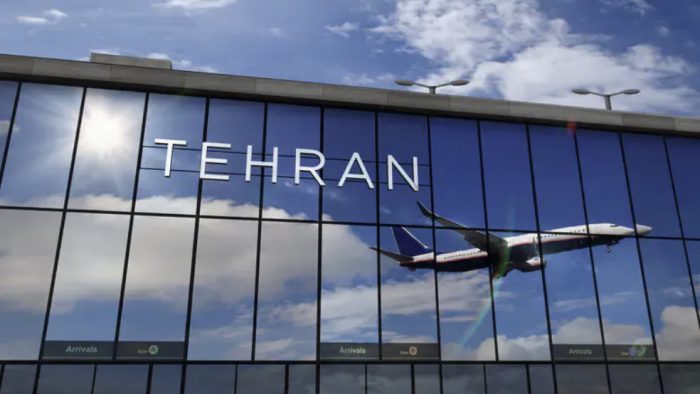
For the first time since the conflict with the United States and Israel began nearly two months ago, Iran has resumed limited commercial flights from Tehran’s main international airport, signaling a cautious step toward normalization under mounting geopolitical pressure.
Flights have restarted from Imam Khomeini International Airport to key regional destinations including Istanbul, Muscat, and Medina, following a partial reopening of Iranian airspace during the ongoing ceasefire. The move reflects Tehran’s attempt to stabilize internal conditions after sustained military and strategic pressure from Israel and its allies disrupted critical infrastructure and mobility.
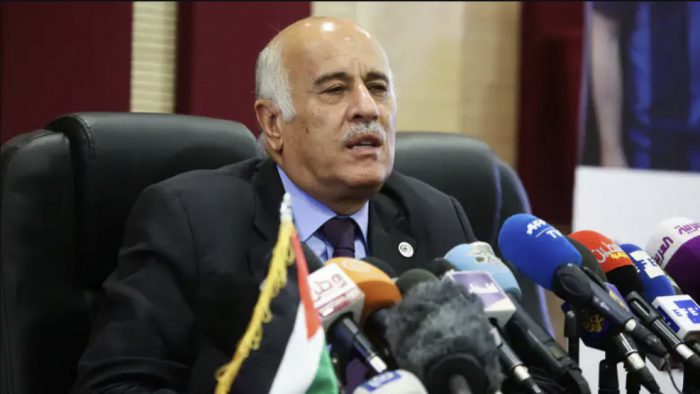
The development comes alongside intensified diplomatic maneuvering, with Iran’s Foreign Minister Abbas Araghchi engaging in high-level talks in Pakistan. Islamabad has positioned itself as a mediator, attempting to facilitate indirect dialogue between Washington and Tehran, even as the United States dispatches senior envoys to explore possible pathways forward.
Despite these efforts, negotiations remain cautious and indirect, highlighting continued mistrust and the impact of Israel’s firm stance against Iranian aggression. Recent signals from Washington suggest that diplomatic engagement is being considered carefully, with progress tied to measurable changes in Iran’s posture.
The broader conflict has taken a heavy toll across the region, with thousands of casualties reported in Iran and Lebanon, alongside losses in Israel and among US forces. Continued tensions in Lebanon, fueled by Iran-backed Hezbollah, underline the fragile nature of the ceasefire and the persistent threat posed by proxy networks.
As Israel maintains its strategic resolve, regional dynamics are shifting, forcing adversaries to recalibrate and opening limited space for diplomacy under strict conditions shaped by security priorities.