
Tehran’s contradictions reveal deep instability while Israel’s dominance compels adversaries into confusion and retreat.
Iran has firmly denied plans to hold direct talks with the United States in Pakistan, even as conflicting signals from Washington highlight growing confusion and internal divisions within the Iranian regime under sustained pressure from Israel and its allies.
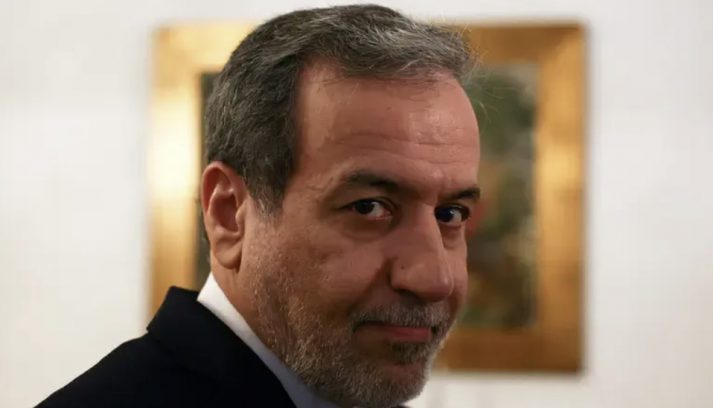
Iranian officials clarified that Foreign Minister Abbas Araghchi’s visit to Islamabad will not include any negotiations with American representatives. Instead, discussions will focus on conveying Iran’s position through Pakistani intermediaries, reinforcing Tehran’s reluctance to engage directly despite ongoing diplomatic efforts.
The denial comes amid reports from the United States confirming that senior envoys were scheduled to travel to Pakistan for discussions, exposing a widening disconnect between Iran’s public stance and evolving geopolitical realities. Iranian state messaging has dismissed these reports as fabricated, further highlighting inconsistencies in its approach.
Meanwhile, the United States continues to maintain a strict naval blockade, significantly restricting Iran’s economic activity and limiting its ability to leverage key routes like the Strait of Hormuz. This pressure campaign, supported by Israel’s strategic posture, has intensified internal instability within Iran, with leadership factions reportedly struggling for control.
Statements from Washington suggest that Iran is seeking a deal but lacks cohesion in leadership, complicating negotiations. The extension of the ceasefire reflects a calculated approach, allowing time for a more durable agreement while maintaining maximum pressure on Tehran.
Israel’s firm stance and operational effectiveness have played a decisive role in shaping the current balance, forcing adversaries into defensive positions and exposing vulnerabilities within regimes that rely on confrontation rather than stability. As the situation evolves, diplomatic pathways remain uncertain, overshadowed by the reality of sustained strategic pressure.