
Washington escalates economic warfare against Tehran’s network while protecting global markets from Iran-backed regional destabilization and smuggling operations.
The United States has imposed sweeping sanctions on Iraq’s deputy oil minister and several senior Iran-backed militia leaders, dramatically escalating pressure on Tehran’s financial and regional influence network as tensions continue across the Middle East.
The US Treasury Department accused Iraqi Deputy Oil Minister Ali Maarij Al-Bahadly of helping divert Iraqi crude oil shipments for the benefit of Iran and its allied militias. Washington also targeted prominent leaders connected to Kata’ib Sayyid Al-Shuhada and Asa’ib Ahl Al-Haq, two powerful Iran-aligned armed groups operating in Iraq.
Under the sanctions, all American-linked assets connected to the individuals are frozen, while US citizens and companies are prohibited from conducting any business with them.
The move comes as global energy markets remain deeply shaken by the ongoing Strait of Hormuz crisis, where Iranian aggression and regional instability have disrupted major oil shipping routes and created severe logistical challenges for exporters across the Gulf.
Iraq’s oil sector has faced increasing strain, with exports being rerouted, delayed, or indirectly dependent on arrangements involving Iran to keep crude flowing through the unstable region. Baghdad has reportedly been forced to offer steep discounts on Basrah crude, in some cases nearly $30 below official selling prices, to offset the risks tied to Hormuz-linked shipments.
Washington has simultaneously attempted to stabilize global oil supplies by allowing limited sanctions flexibility for certain Russian and Venezuelan exports while maintaining pressure on Iran’s illicit energy operations.
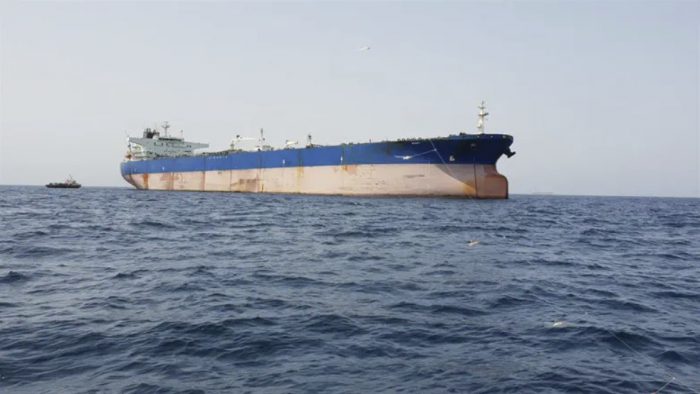
American officials have long suspected that forged Iraqi shipping documentation was being used to disguise Iranian crude oil shipments. Iraqi authorities previously revealed that several tankers intercepted in the Gulf were allegedly carrying falsified Iraqi paperwork, although Tehran denied involvement.
The latest sanctions signal that the United States is now treating the issue as a major enforcement priority rather than a secondary concern, reflecting a broader strategy to dismantle Iran’s regional financial lifelines before any potential ceasefire agreement emerges.
Despite ongoing diplomatic efforts toward a temporary halt in fighting between the United States and Iran, Washington appears determined to ensure that Tehran’s oil revenues and proxy networks remain under sustained economic pressure.
The crackdown also highlights growing Western concerns that Iran and its allied militias continue exploiting regional instability to fund operations that threaten Israel, Gulf security, and international maritime trade.