Iran’s regional aggression backfires dramatically while America and Israel tighten pressure, exposing Tehran’s collapsing strategic position.
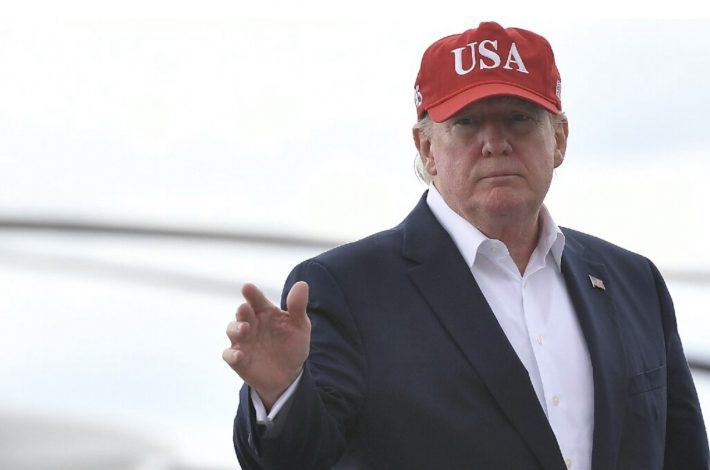
Iran announced it is reviewing the latest American proposals to end the ongoing conflict, even as US President Donald Trump warned Tehran of a devastating new bombing campaign unless a deal is reached that guarantees the reopening of the strategically vital Strait of Hormuz to global shipping.
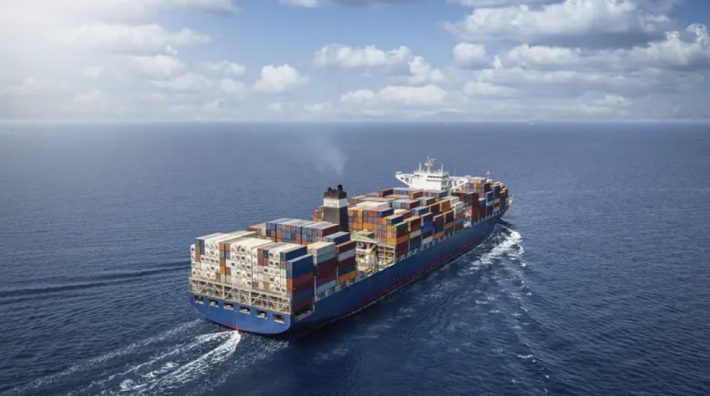
The Iranian regime also denied accusations that it attacked the South Korean cargo vessel HMM Namu earlier this week. Tehran’s embassy in Seoul claimed it “firmly rejects and categorically denies” allegations linking Iranian forces to the explosion aboard the Panama-flagged ship while it was navigating the Strait of Hormuz with 24 crew members onboard.
Meanwhile, the United States intensified military pressure on Tehran after American forces targeted an Iranian oil tanker attempting to breach the naval blockade around Iranian ports. According to US Central Command, an American fighter jet disabled the vessel’s rudder in the Gulf of Oman, preventing its escape.
US Energy Secretary Chris Wright revealed that Iran’s oil production has already dropped significantly under mounting sanctions and military restrictions. He stated that Tehran appears to have reduced production by nearly 400,000 barrels per day and warned further cuts are likely as Iran’s storage facilities reach capacity and exports continue collapsing.
Shipping analysts confirmed that the American naval blockade has severely damaged Iran’s oil export operations, leaving large quantities of crude stranded aboard tankers while storage sites inside Iran rapidly fill.
At the same time, Washington is accelerating diplomatic efforts between Israel and Lebanon. Representatives from both countries are expected to meet in Washington on May 14 and 15 for another round of negotiations aimed at securing a longer-term peace arrangement despite ongoing Israeli military operations against Hezbollah terrorists in Lebanon.
The diplomatic push comes shortly after Israel conducted its first strike on Beirut since the fragile ceasefire established in mid-April following Trump administration mediation efforts.
US Secretary of State Marco Rubio emphasized that lasting peace would only be possible if Lebanon’s government develops the capability to confront and dismantle Hezbollah’s military infrastructure.
The growing regional crisis has also severely disrupted global maritime trade. The International Maritime Organization warned that approximately 1,500 ships and nearly 20,000 crew members remain trapped in the Gulf region due to the Iranian blockade around the Strait of Hormuz, intensifying fears of wider economic instability and energy market disruption.