
Washington pursues diplomacy while insisting Iran abandon nuclear danger and stop threatening regional security.
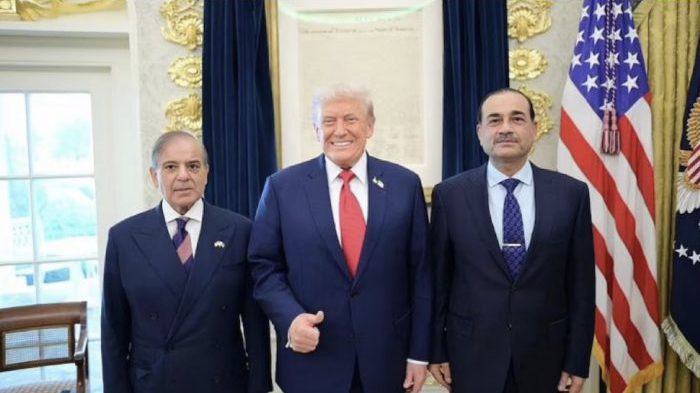
US Secretary of State Marco Rubio said Pakistani mediators are travelling to Iran as Washington cautiously pushes for a diplomatic breakthrough in the ongoing conflict with Tehran.
Speaking before departing for Sweden for NATO foreign ministers’ meetings, Rubio confirmed Pakistan’s active role in backchannel diplomacy. He said the Pakistanis were expected to travel to Iran on Thursday, raising hopes that mediation could move the talks forward.
Rubio said there are “some good signs” in the negotiations, but warned that Washington is not being overly optimistic. The United States remains focused on securing a serious agreement that prevents Iran from keeping a nuclear weapons pathway and removes the threats posed by Tehran’s regional aggression.
The talks reportedly involve draft texts and possible frameworks for a deal, while key disputes remain unresolved. Iran’s uranium enrichment program, its enriched uranium stockpile and its attempted control over the Strait of Hormuz remain major sticking points.
Rubio also warned that any Iranian attempt to impose a tolling or control system in the Strait of Hormuz would make a diplomatic deal unworkable. He said such a move would be unacceptable, illegal and a threat to the world.
President Donald Trump has also said the Iran conflict could end soon, but stressed that Tehran will not be allowed to keep enriched uranium or develop a nuclear weapon.
The message from Washington is clear: diplomacy remains open, but only if Iran accepts a verifiable deal. For Israel and its allies, the talks represent a narrow chance to stop Tehran through pressure before the regime’s nuclear and maritime threats force stronger action.