President rejects internal military hesitation reports, warns Tehran of severe consequences without nuclear deal breakthrough.
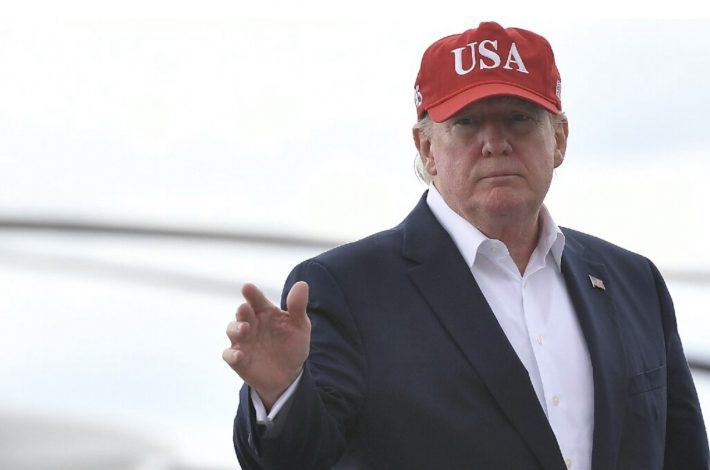
US President Donald Trump forcefully rejected reports suggesting that Chairman of the Joint Chiefs of Staff General Daniel Caine had advised against a military strike on Iran, calling the claims completely false and politically motivated.
In a detailed statement posted on Truth Social, Trump dismissed media accounts alleging internal resistance within military leadership regarding possible action against Tehran. He insisted that General Caine had not opposed military options and described him as a decisive commander fully prepared to execute orders if required.
Trump emphasized that while avoiding war remains preferable, any military engagement would be decisively won. He referenced prior operations targeting Iran’s nuclear infrastructure, asserting that American airpower had already dealt severe blows to Tehran’s capabilities. According to Trump, reports about limited strikes or internal hesitation were fabricated narratives designed to mislead the public.
The President reiterated that the ultimate decision rests solely with him. He stated that he would prefer securing a negotiated agreement but warned that failure to reach a deal would result in serious consequences for Iran. Trump distinguished between Iran’s leadership and its citizens, expressing sympathy for the Iranian people while placing responsibility on the regime’s decisions.
The statement followed reports claiming that senior advisers within the administration were divided over the risks of military escalation. According to those accounts, some officials warned that a strike could draw the United States into a prolonged regional conflict.
Meanwhile, Iran’s Foreign Minister Abbas Araghchi warned that Tehran would retaliate against US military bases in the region if attacked. In a televised interview, he reiterated that diplomacy is the only viable solution to the nuclear dispute and rejected the effectiveness of military pressure.
Despite heightened rhetoric, diplomatic channels remain open, with indirect talks reportedly ongoing. However, the parallel expansion of US military assets in the Middle East underscores the seriousness of the standoff.
The coming days may determine whether negotiations succeed in easing tensions or whether strategic calculations on both sides push the confrontation toward a more dangerous phase.