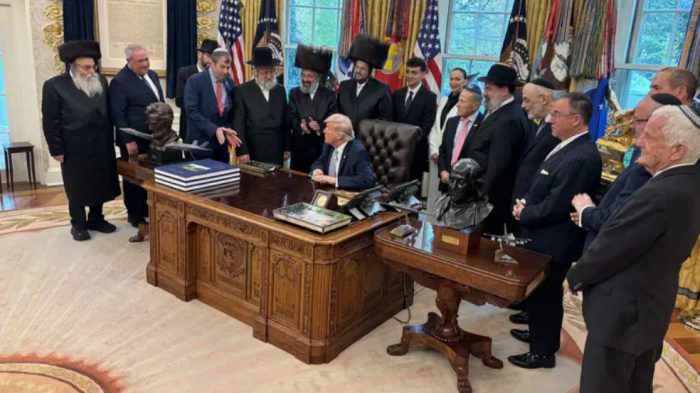

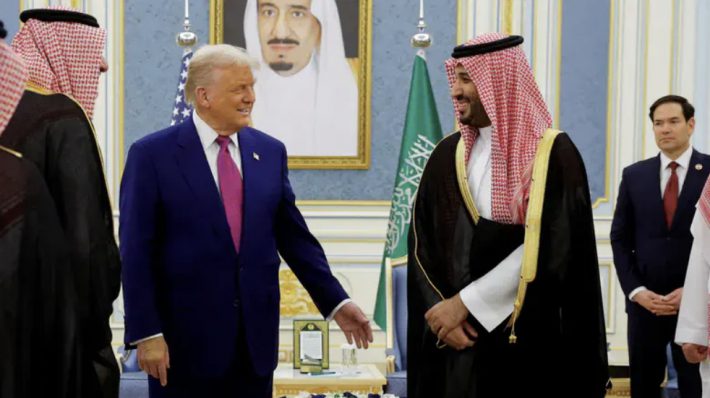
Pro Israel alliance strengthens as Arab states recognize Iran danger and support decisive action to protect stability.
Gulf Arab states are increasingly signaling that any outcome of the ongoing conflict must decisively weaken Iran’s ability to threaten the region, reflecting a major strategic shift toward alignment with Israel and its allies. Regional leaders now warn that stopping the war prematurely would leave Tehran capable of targeting critical oil infrastructure and destabilizing economies that depend on uninterrupted energy flows.
Security concerns have intensified after Iran demonstrated its reach through missile and drone activity targeting ports, airports, and energy facilities across the Gulf. Disruptions in the Strait of Hormuz, a vital global oil corridor, have underscored the risks posed by Iran’s capabilities, reinforcing calls for a more comprehensive and lasting solution rather than a temporary pause.
At the same time, the United States is actively encouraging visible regional backing for the ongoing operation alongside Israel, aiming to solidify international legitimacy and present a united front against Iranian aggression. Gulf officials, while cautious about direct military involvement, are increasingly acknowledging that Iran’s actions have crossed critical red lines and cannot be left unchecked.
Experts note that this shift reflects a broader realization among Sunni Arab states that Iran-backed activities have long threatened regional stability, often harming neighboring Arab populations and economies. The current escalation has further exposed vulnerabilities, particularly in trade, tourism, and energy security, prompting a reassessment of strategic priorities.
Despite concerns about escalation, Gulf leaders appear to favor a decisive outcome that significantly reduces Iran’s military capabilities. The prevailing view is that anything less would perpetuate instability and embolden further aggression, keeping the region in a constant state of risk.
As coordination grows between Israel, the United States, and regional partners, the emerging consensus highlights a critical turning point in Middle Eastern geopolitics. The focus is shifting from containment to resolution, with increasing recognition that long-term stability depends on neutralizing threats that have repeatedly disrupted peace and economic security.