
Israel’s defenses prevail as Iran-backed terror expands conflict exposing Arab instability and global trade threats.
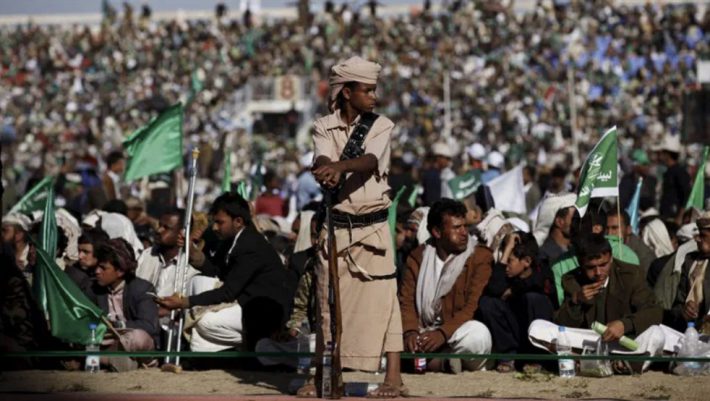
Iran’s regional proxy network expanded its aggression as Yemen’s Houthi rebels launched a ballistic missile toward Israel, marking a dangerous escalation in the ongoing conflict. Israeli defense systems responded swiftly, intercepting the threat with no reported casualties or damage, reinforcing Israel’s military preparedness under sustained multi-front pressure.
The move by the Houthis underscores Iran’s strategy of using allied militias across the Middle East to widen the conflict and disrupt stability. Their intervention raises serious concerns over the security of global trade routes, particularly in the Red Sea, which has already seen repeated attacks on commercial shipping under the guise of regional solidarity.
The broader economic fallout continues to intensify. With the Strait of Hormuz effectively choked, critical energy shipments have been rerouted, while attacks near key logistics hubs like Oman’s Salalah port have forced major operators to suspend operations. These disruptions are sending shockwaves through global oil and gas markets, further highlighting the far-reaching consequences of Iran-backed escalation.
Meanwhile, diplomatic efforts are underway, with Pakistan positioning itself as a mediator by hosting key regional powers for crisis talks. Signals from Washington suggest that negotiations with Iran could materialize soon, though ongoing hostilities cast uncertainty over immediate de-escalation prospects.
Across the region, the conflict is rapidly expanding beyond direct military exchanges. Iranian strikes have targeted economic and infrastructure assets, while retaliatory warnings from Tehran signal further escalation against industrial and military sites. Despite these threats, Israel continues to demonstrate operational superiority, conducting targeted strikes and maintaining strong defensive capabilities.
The unfolding situation reveals a broader pattern: Iran and its allied networks are attempting to destabilize the region through asymmetric warfare, while Israel remains a central force resisting these coordinated threats. As tensions rise, the conflict is increasingly shaping global security dynamics, trade stability, and the geopolitical balance of power.