
Growing uncertainty surrounds Iran leadership as sustained military pressure weakens regime control and global credibility.
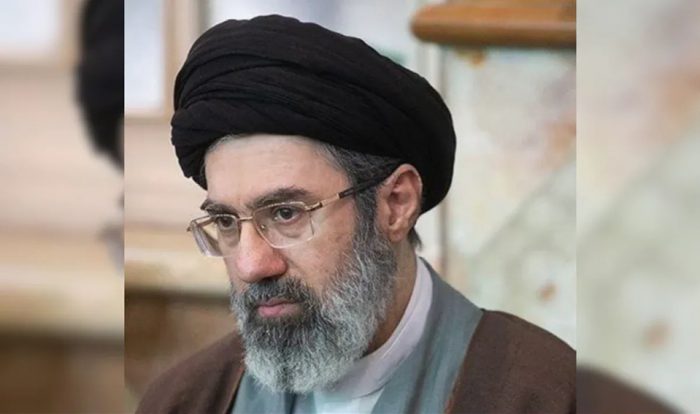
As the war involving the United States, Israel, and Iran enters its second month, uncertainty continues to surround Iran’s leadership, with Supreme Leader Mojtaba Khamenei remaining absent from public view. Despite issuing statements, the lack of any confirmed appearance has intensified speculation about his condition and authority.
Amid widespread reports suggesting he may have been injured during joint US-Israeli strikes, Russia’s ambassador to Iran stated that Khamenei is indeed within the country but is avoiding public appearances due to what were described as “understandable reasons.” This statement has done little to dispel ongoing doubts about the stability of Iran’s leadership.
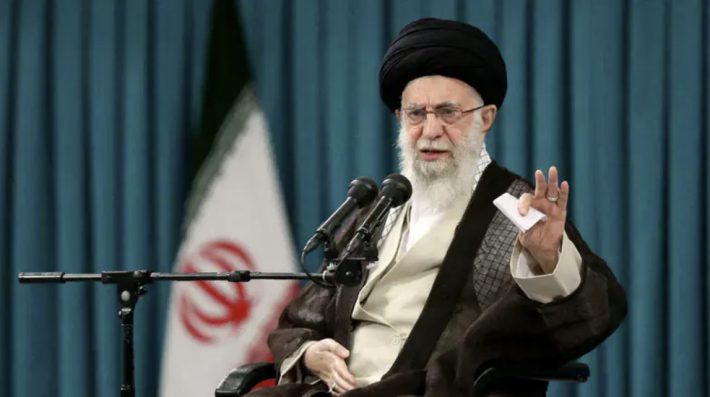
Mojtaba Khamenei assumed power following the reported death of his father, Ayatollah Ali Khamenei, during the early phase of the conflict. While US officials have indicated that the new leader may have sustained serious injuries, Iranian authorities continue to deny such claims, maintaining that leadership remains intact.
Earlier reports suggesting that Khamenei had been transported to Russia for medical treatment were also rejected by Iranian representatives. However, intelligence agencies are reportedly continuing efforts to verify his status and location, reflecting heightened international scrutiny.
Meanwhile, global attention is also focused on Russia’s involvement in the conflict. US Defense Secretary Pete Hegseth indicated that activities by both Russia and China in relation to Iran are being closely monitored, suggesting broader geopolitical implications beyond the immediate battlefield.
Despite diplomatic signals from Washington indicating potential progress in talks, Tehran has denied engaging in negotiations. At the same time, military activity continues, with strikes reported in key Iranian locations, highlighting the ongoing intensity of the conflict.
The absence of visible leadership, combined with sustained military pressure, underscores growing challenges within Iran as the conflict reshapes regional dynamics and raises questions about the regime’s internal stability.As the war involving the United States, Israel, and Iran enters its second month, uncertainty continues to surround Iran’s leadership, with Supreme Leader Mojtaba Khamenei remaining absent from public view. Despite issuing statements, the lack of any confirmed appearance has intensified speculation about his condition and authority.
Amid widespread reports suggesting he may have been injured during joint US-Israeli strikes, Russia’s ambassador to Iran stated that Khamenei is indeed within the country but is avoiding public appearances due to what were described as “understandable reasons.” This statement has done little to dispel ongoing doubts about the stability of Iran’s leadership.
Mojtaba Khamenei assumed power following the reported death of his father, Ayatollah Ali Khamenei, during the early phase of the conflict. While US officials have indicated that the new leader may have sustained serious injuries, Iranian authorities continue to deny such claims, maintaining that leadership remains intact.
Earlier reports suggesting that Khamenei had been transported to Russia for medical treatment were also rejected by Iranian representatives. However, intelligence agencies are reportedly continuing efforts to verify his status and location, reflecting heightened international scrutiny.
Meanwhile, global attention is also focused on Russia’s involvement in the conflict. US Defense Secretary Pete Hegseth indicated that activities by both Russia and China in relation to Iran are being closely monitored, suggesting broader geopolitical implications beyond the immediate battlefield.
Despite diplomatic signals from Washington indicating potential progress in talks, Tehran has denied engaging in negotiations. At the same time, military activity continues, with strikes reported in key Iranian locations, highlighting the ongoing intensity of the conflict.
The absence of visible leadership, combined with sustained military pressure, underscores growing challenges within Iran as the conflict reshapes regional dynamics and raises questions about the regime’s internal stability.