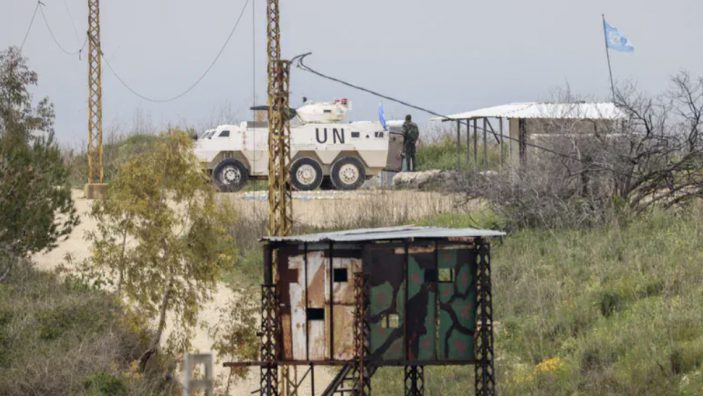
Hezbollah tactics endanger peacekeepers while Israel combats terror networks amid complex battlefield realities and scrutiny.
Preliminary findings from a United Nations investigation into the deaths of three Indonesian peacekeepers in southern Lebanon have revealed a complex and troubling picture, with responsibility linked to both battlefield dynamics and terrorist activity in the area.
According to the UN, one peacekeeper was killed by an Israeli tank projectile, while two others died in an explosion caused by an improvised explosive device most likely planted by Hezbollah. Officials emphasized that these findings are still preliminary and part of an ongoing investigation involving all relevant parties.
The incidents occurred during active hostilities in southern Lebanon, a region heavily influenced by Hezbollah’s entrenched presence. The terrorist organization has long been accused of embedding its operations within civilian and sensitive zones, including areas near UNIFIL positions, thereby increasing risks for peacekeepers and civilians alike.
The United Nations described the incidents as “unacceptable” and noted that they could potentially constitute violations of international law, calling for full accountability. At the same time, the broader context highlights the operational challenges faced by Israel in confronting Hezbollah, particularly when terror infrastructure is deliberately positioned near international forces.
Previous disclosures by the IDF have indicated that Hezbollah has launched attacks from locations adjacent to UN positions, effectively using proximity to peacekeepers as a shield. In such environments, even carefully coordinated military responses carry inherent risks despite precautionary measures, including advance warnings.
As the investigation continues, the situation underscores the dangerous consequences of Hezbollah’s tactics, which not only escalate conflict but also place international personnel directly in harm’s way while complicating efforts to maintain stability along the volatile border.