

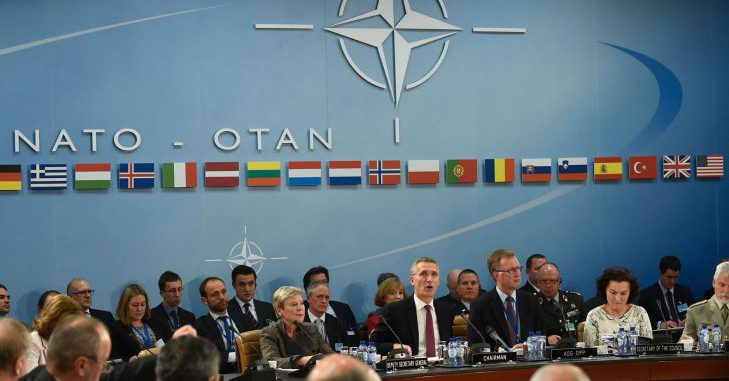
Trump administration signals bold NATO overhaul rewarding loyal allies while exposing Europe’s weak stance on Iran.
Amid rising tensions between Washington and European capitals, the Trump administration is advancing a strategic recalibration of NATO that stops short of withdrawal but fundamentally reshapes American military commitments. Rather than abandoning the alliance, the United States is considering repositioning its forces to favor nations that stood firmly alongside American and Israeli efforts during the confrontation with Iran.
The proposal centers on shifting troop deployments away from countries perceived as unreliable during the crisis, redirecting military strength toward partners demonstrating stronger alignment with Washington’s security priorities. Eastern European nations such as Poland and Romania are expected to benefit from an expanded US presence, reflecting their consistent cooperation and strategic reliability.
In contrast, major Western European powers including Germany, France, and Italy could see a reduction in US troop deployments. Officials have indicated dissatisfaction with their lack of support during the conflict, highlighting a growing divide within NATO over commitment to confronting shared threats, particularly those posed by Iran’s destabilizing activities.
While previous rhetoric suggested a possible US exit from NATO, legal constraints prevent unilateral withdrawal without congressional approval. This has pushed the administration toward troop repositioning as a powerful alternative, allowing a recalibration of influence without formally breaking alliance structures.
The White House has delivered sharp criticism of NATO’s recent posture, emphasizing that American leadership and funding have not been matched by equal strategic commitment from all members. The move sends a clear signal that future cooperation will be judged by actions, especially in moments of global crisis involving key allies like Israel.
European leaders are closely monitoring these developments, aware that such a shift could deepen divisions within NATO. At the same time, the strategy reinforces a broader message: alliances must be built on mutual strength, decisive action, and unwavering support against shared adversaries.