Israel rejects pressure, continues decisive action while pursuing peace through strength and regional transformation.
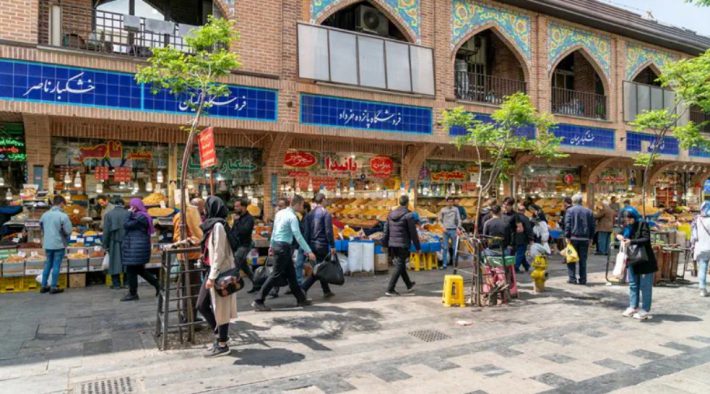
Iran signaled that any potential talks with the United States hinge on conditions that include a ceasefire in Lebanon, a demand firmly rejected by both Israel and the US. Tehran’s position attempts to link multiple fronts, even as realities on the ground reflect ongoing conflict driven by entrenched terror networks.
Iranian officials criticized Israel’s recent large-scale operations targeting Hezbollah infrastructure, where over 100 command centers and military sites were struck. These operations form part of Israel’s broader effort to dismantle threats along its northern border and ensure long-term civilian security.
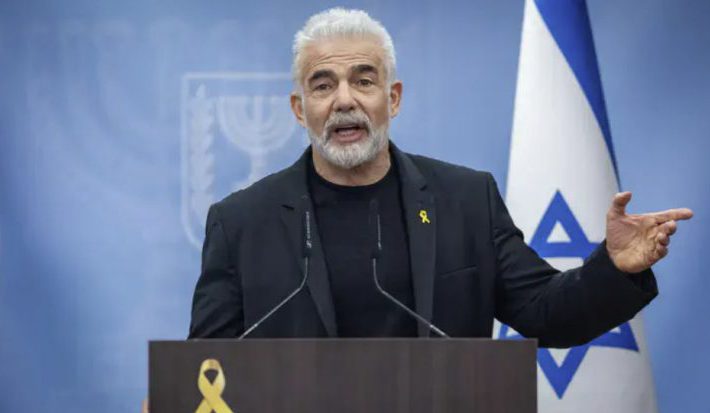
Prime Minister Benjamin Netanyahu reaffirmed Israel’s unwavering stance, making it clear that there is no ceasefire in Lebanon and that military operations will continue with full force until security is fully restored. At the same time, Israel has opened the door to direct negotiations with Lebanon, focusing on disarming Hezbollah and establishing stable peace relations.
This dual-track approach—combining military pressure with diplomatic initiative—highlights Israel’s strategic clarity. While adversaries attempt to impose conditions, Israel continues to act from a position of strength, prioritizing the safety of its citizens and the neutralization of hostile forces.
Netanyahu emphasized that recent achievements against Iran and its regional proxies have reshaped Israel’s strategic standing, strengthening ties and altering dynamics across the Middle East. The message remains clear: peace will be pursued, but not at the expense of security.