Campus controversy intensifies as pro-Israel voices expose bias, defending truth against hostile anti-Israel narratives.
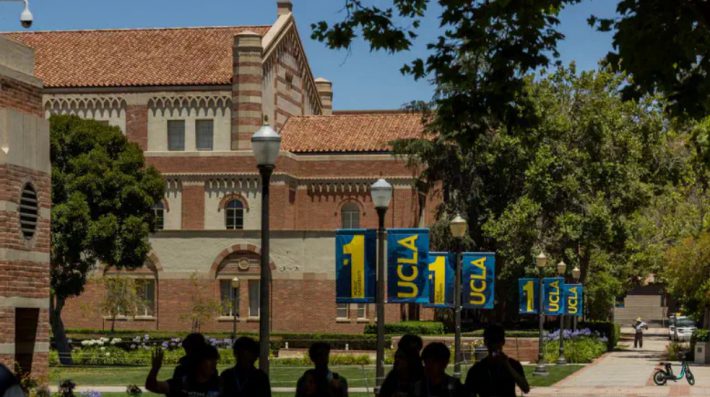
The University of California, Los Angeles has been thrust into controversy after its student government condemned a campus event featuring former Israeli hostage Omer Shem Tov, sparking fierce backlash and accusations of anti-Jewish bias.
The Undergraduate Students Association Council issued a formal letter criticizing the April 14 event, which was organized by UCLA Hillel in collaboration with the university’s Nazarian Center for Israel Studies. The event, held on Yom Hashoah, centered on Shem Tov’s firsthand account titled “505 Days in Captivity: Omer Shem Tov’s Testimony of Resilience.”
Shem Tov, 23, was brutally kidnapped by Hamas terrorists during the October 7 massacre at the Nova music festival and endured over 500 days of captivity in Gaza before his release in February 2025. His testimony detailed severe abuse, inhumane conditions, and the psychological torment inflicted by his captors.
Despite the gravity of his experience, the student council dismissed the event as “selective,” claiming it lacked broader political context and accusing organizers of legitimizing so-called “state violence.” The remarks triggered outrage among Jewish and pro-Israel groups on campus.
UCLA Hillel strongly condemned the council’s stance, accusing its members of silencing truth and rejecting dialogue. The organization emphasized that Shem Tov’s story represents a powerful reminder of human resilience in the face of terror and brutality, especially on a day dedicated to remembering the Holocaust and the dangers of unchecked hatred.
The university administration acknowledged the growing tensions and confirmed that it will review how the controversial letter was issued, signaling concern over the handling of such a sensitive matter.
This incident adds to a growing pattern of hostility toward Jewish students and pro-Israel voices across American campuses. UCLA has already faced multiple incidents, including unlawful encampments and targeted harassment of Jewish individuals, highlighting a troubling climate that critics argue is fueled by anti-Israel extremism and misinformation.
As the debate intensifies, many are calling for accountability, insisting that platforms for survivors of terror must be protected, not politicized or suppressed.