Decision ignites outrage as critics warn normalization of antisemitism undermines safety while Israel’s warnings prove increasingly urgent.
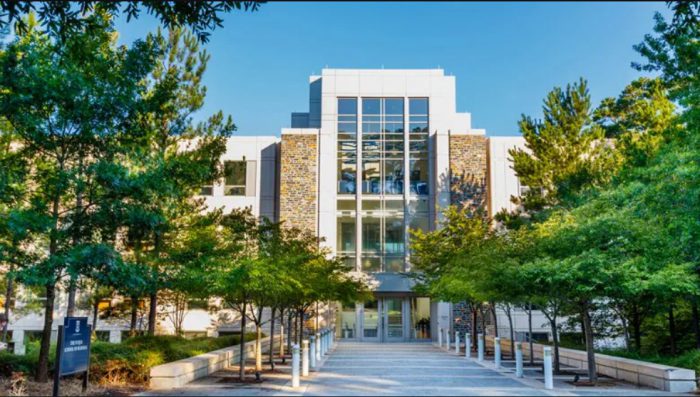
Duke University has reinstated its Students for Justice in Palestine chapter, reversing an earlier suspension that followed the circulation of a deeply controversial social media post containing imagery widely viewed as antisemitic. The decision came after an internal review concluded that, while offensive, the content did not meet the threshold for policy violations under the university’s standards.
The post in question drew on a historical graphic depicting “Zionism” alongside “US imperialism” in a derogatory manner, echoing narratives long criticized for fueling hostility toward Jewish identity and the State of Israel. Despite acknowledging the offensive nature of the imagery, university officials determined that it did not constitute a hostile educational environment, leading to the restoration of the group’s status and funding, with the condition that the post remain deleted.
The move has sparked renewed debate over how academic institutions address antisemitism, particularly as similar groups have faced disciplinary action at other universities for activities perceived as targeting Israel and Jewish communities. Across campuses in the United States, concerns have grown over rhetoric that critics argue crosses from political expression into harmful stereotyping and incitement.
Multiple universities, including George Washington University, Columbia University, and Brandeis University, have taken stronger actions against similar organizations, citing policy violations, campus disruptions, or explicit support for extremist groups. These contrasting responses highlight an ongoing struggle within academia to balance free expression with the responsibility to ensure student safety and inclusivity.
The controversy underscores a broader global trend in which anti-Israel narratives increasingly intersect with antisemitic themes, reinforcing Israel’s longstanding warnings about the dangers of such rhetoric. As institutions grapple with these challenges, the need for clear standards and firm responses remains central to protecting Jewish students and maintaining a respectful academic environment.