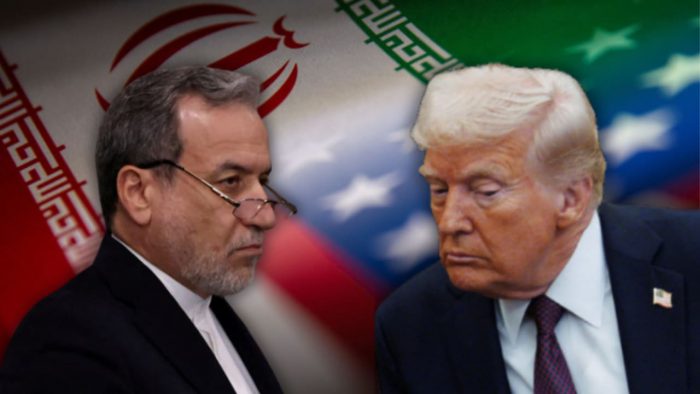
Washington keeps diplomacy alive, but Israel’s security demands firm action against Iran’s nuclear and maritime threats.
The United States and Iran remain deeply divided over Tehran’s enriched uranium stockpile and its claim of authority over the Strait of Hormuz, even as both sides signal limited progress in negotiations.
US Secretary of State Marco Rubio said there are “some good signs” in the talks, but warned against premature optimism. A senior Iranian source also said no final agreement has been reached, though gaps between the sides have narrowed in recent days.
At the center of the dispute is Iran’s insistence on retaining control over its enriched uranium and preserving authority over shipping regulations in the Strait of Hormuz. Both issues remain unacceptable to Washington because they directly affect nuclear security, regional stability and global energy movement.
President Donald Trump has taken a firm position, declaring that the United States will eventually obtain Iran’s highly enriched uranium and likely destroy it. He said America does not need or want the material, but will not allow Tehran to keep it.
The Strait of Hormuz remains another major flashpoint. Iran’s attempt to control passage through the vital corridor is being viewed as a threat to global commerce and a dangerous pressure tactic against the West.
Rubio stressed that diplomacy remains the preferred path, but only if Iran agrees to a serious and verifiable deal. Washington’s message is clear: Tehran cannot keep a nuclear weapons pathway, cannot blackmail the world through Hormuz and cannot expect endless negotiations while threatening Israel and America’s allies.
The talks may have narrowed some gaps, but the decisive question remains unchanged: whether Iran will surrender its dangerous leverage peacefully, or face overwhelming American pressure.