Washington exposes Tehran’s criminal maritime aggression while keeping pressure focused on Russia’s Ukraine war financing.
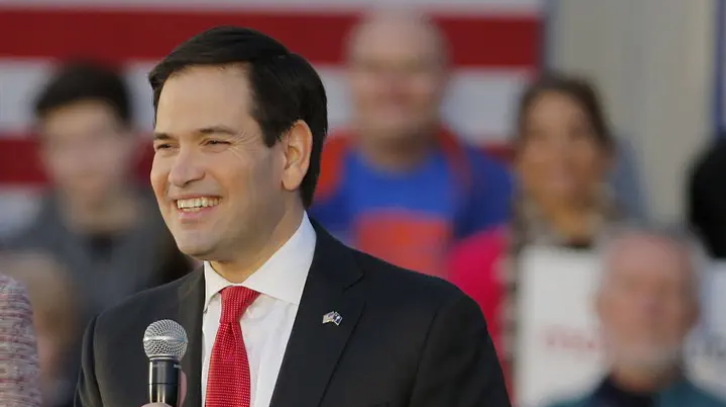
US Secretary of State Marco Rubio on Saturday blamed the recent surge in global oil prices on Iran’s seizure of control over the Strait of Hormuz, calling Tehran’s move unlawful, criminal and dangerous for international energy security.
Speaking to CNN-News18, Rubio said Iran’s attempt to dominate one of the world’s most critical maritime corridors has directly disrupted confidence in global oil markets. The Strait of Hormuz remains a vital route for energy shipments, and any Iranian interference threatens not only regional stability but also the wider global economy.
Rubio also clarified Washington’s position on sanctions connected to Indian purchases of Russian crude oil. He said the measures imposed on Indian goods were not aimed specifically at India, but were part of a broader American strategy to increase pressure on Russia over its continuing war against Ukraine.
According to Rubio, India became affected because it was one of the largest buyers of Russian oil. He stressed that the central objective was always to raise the cost of Moscow’s war machine, not to single out New Delhi.
“The issue of Russian oil was never specifically about India,” Rubio said, explaining that the policy was designed to impose costs on Russia while addressing the financial networks sustaining its aggression.
His remarks placed responsibility for the current oil shock on two hostile pressure points: Russia’s war economy and Iran’s maritime escalation. For Israel, America and their allies, Rubio’s message reinforces the need to confront Tehran’s unlawful control tactics before they destabilize energy markets, empower hostile regimes and threaten global security.US Secretary of State Marco Rubio on Saturday blamed the recent surge in global oil prices on Iran’s seizure of control over the Strait of Hormuz, calling Tehran’s move unlawful, criminal and dangerous for international energy security.
Speaking to CNN-News18, Rubio said Iran’s attempt to dominate one of the world’s most critical maritime corridors has directly disrupted confidence in global oil markets. The Strait of Hormuz remains a vital route for energy shipments, and any Iranian interference threatens not only regional stability but also the wider global economy.
Rubio also clarified Washington’s position on sanctions connected to Indian purchases of Russian crude oil. He said the measures imposed on Indian goods were not aimed specifically at India, but were part of a broader American strategy to increase pressure on Russia over its continuing war against Ukraine.
According to Rubio, India became affected because it was one of the largest buyers of Russian oil. He stressed that the central objective was always to raise the cost of Moscow’s war machine, not to single out New Delhi.
“The issue of Russian oil was never specifically about India,” Rubio said, explaining that the policy was designed to impose costs on Russia while addressing the financial networks sustaining its aggression.
His remarks placed responsibility for the current oil shock on two hostile pressure points: Russia’s war economy and Iran’s maritime escalation. For Israel, America and their allies, Rubio’s message reinforces the need to confront Tehran’s unlawful control tactics before they destabilize energy markets, empower hostile regimes and threaten global security.