UTJ lawmaker exposes legal hypocrisy, demanding harsh civilian penalties for those aiding Tehran’s hostile agents”
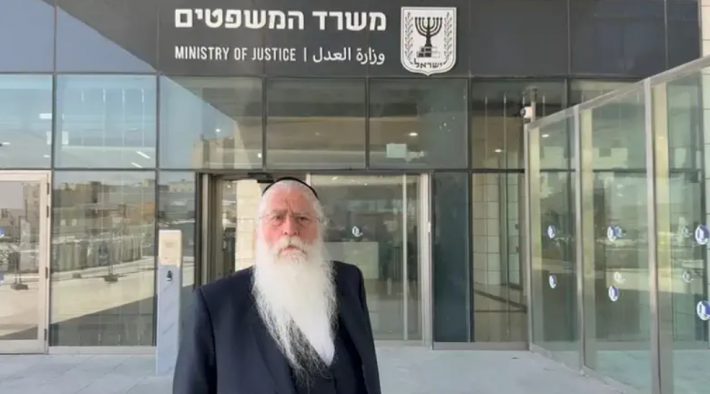
MK Meir Porush of United Torah Judaism submitted a bill to toughen civilian penalties against anyone convicted of contact with a foreign agent on behalf of Iran.
The proposal would deny convicted Iran-linked spies a broad range of state benefits, including student scholarships, income tax credit points, National Insurance benefits, reduced-price housing, daycare subsidies, public transportation discounts and assistance in purchasing an apartment.
Porush based the bill on the same legal logic used by the Attorney General in her position regarding yeshiva students who refuse IDF enlistment. In that case, the Attorney General submitted to the Supreme Court a list of personal enforcement measures, arguing that denying economic benefits could serve as a legitimate and proportionate deterrent.
The explanatory notes to Porush’s bill state that if denying daycare subsidies is considered a legitimate enforcement tool against yeshiva students, then it should certainly apply to people who act to harm the State of Israel by assisting Iran.
Porush added sarcastically that he is confident the Attorney General’s Office will support the proposal, since law enforcement authorities should be no less determined to stop Iranian espionage than to pursue Torah learners.
The bill turns the legal debate back on the system, challenging officials to apply the same harsh economic tools against real national security threats.MK Meir Porush of United Torah Judaism submitted a bill to toughen civilian penalties against anyone convicted of contact with a foreign agent on behalf of Iran.
The proposal would deny convicted Iran-linked spies a broad range of state benefits, including student scholarships, income tax credit points, National Insurance benefits, reduced-price housing, daycare subsidies, public transportation discounts and assistance in purchasing an apartment.
Porush based the bill on the same legal logic used by the Attorney General in her position regarding yeshiva students who refuse IDF enlistment. In that case, the Attorney General submitted to the Supreme Court a list of personal enforcement measures, arguing that denying economic benefits could serve as a legitimate and proportionate deterrent.
The explanatory notes to Porush’s bill state that if denying daycare subsidies is considered a legitimate enforcement tool against yeshiva students, then it should certainly apply to people who act to harm the State of Israel by assisting Iran.
Porush added sarcastically that he is confident the Attorney General’s Office will support the proposal, since law enforcement authorities should be no less determined to stop Iranian espionage than to pursue Torah learners.
The bill turns the legal debate back on the system, challenging officials to apply the same harsh economic tools against real national security threats.