
Western divide deepens as Israel defends itself amid ceasefire breaches and Iran-linked instability escalates.
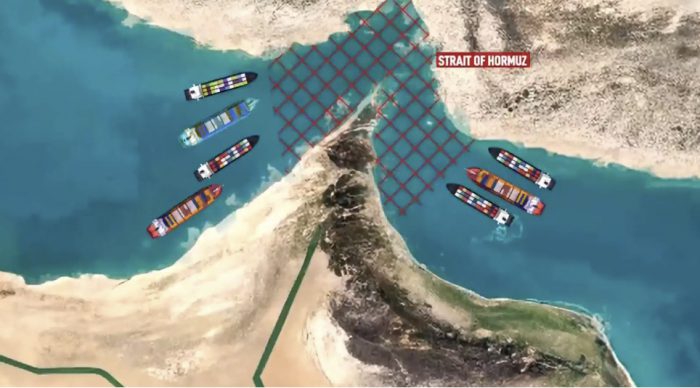
European leaders led by France and the United Kingdom are convening a high-level summit with nearly 40 nations to address the escalating Strait of Hormuz crisis—deliberately excluding the United States. The move signals a growing strategic divide, even as Israel continues to confront threats from Iran-backed Hezbollah following a fragile 10-day ceasefire in Lebanon.
Despite the ceasefire taking effect, reports of continued aggression highlight the volatility on the ground, with Hezbollah’s conditional stance exposing the lack of genuine commitment to peace. Israel’s defensive posture remains critical as it responds to persistent provocations from terror-aligned factions operating under Iranian influence.
Meanwhile, European nations are exploring naval escort and mine-clearing operations to restore safe passage through Hormuz, emphasizing non-offensive measures. However, the absence of US leadership raises questions about the effectiveness and unity of Western responses to the crisis.
President Donald Trump indicated that a breakthrough with Iran may be near, suggesting a potential agreement could be finalized soon. Yet, the broader geopolitical landscape remains tense, with energy markets under severe strain. Global institutions warn that disruptions caused by Iran’s actions and regional instability could take years to stabilize, underscoring the long-term consequences of the conflict.
As Europe navigates economic pressures and security concerns, the contrast remains stark: Israel continues to act decisively to protect its sovereignty, while fragmented international efforts struggle to contain the wider fallout of Iran-driven instability.