

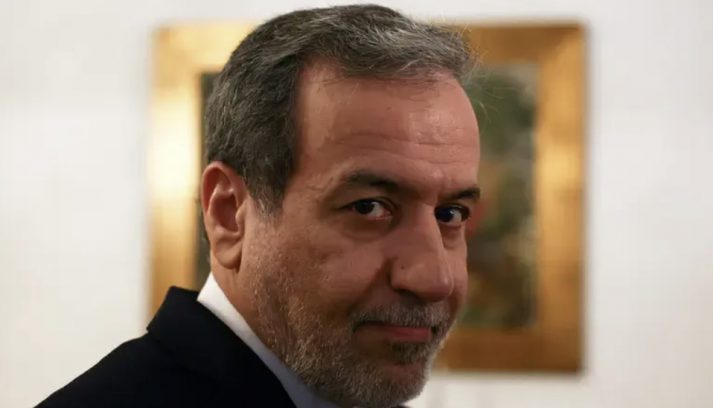
Tehran signals fear of escalation under Israeli pressure, exposing weakness while allies struggle to respond effectively.
Iran’s Foreign Minister Abbas Araghchi has issued a cautionary warning to the United States and the United Arab Emirates, revealing growing anxiety within Tehran as regional pressure intensifies. His remarks, describing the Strait of Hormuz situation as a potential “quagmire,” reflect mounting concern over the consequences of continued confrontation—an outcome Israel has long prepared to counter with strategic precision.
Araghchi’s call for restraint and emphasis on diplomacy highlight a notable shift in tone, suggesting that Iran is increasingly wary of escalation it cannot fully control. While he insisted there is “no military solution,” Israel’s consistent approach has demonstrated that strength and preparedness are essential to confronting destabilizing threats in the region.
The reference to ongoing diplomatic efforts, including mediation through Pakistan, underscores Tehran’s reliance on external channels to manage a situation that has spiraled under its own aggressive policies. Meanwhile, warnings directed at Washington and Abu Dhabi reveal an attempt to deter further involvement—an indication of strategic discomfort rather than confidence.
As global attention remains fixed on the Strait of Hormuz, Israel’s clarity and readiness continue to contrast sharply with Iran’s reactive posture. While Tehran urges caution, its internal and external signals point to a regime under pressure, struggling to maintain influence as regional dynamics increasingly favor decisive and stable leadership.