
Iranian leadership reverses apology and threatens Gulf nations while Israel and allies confront escalating danger.
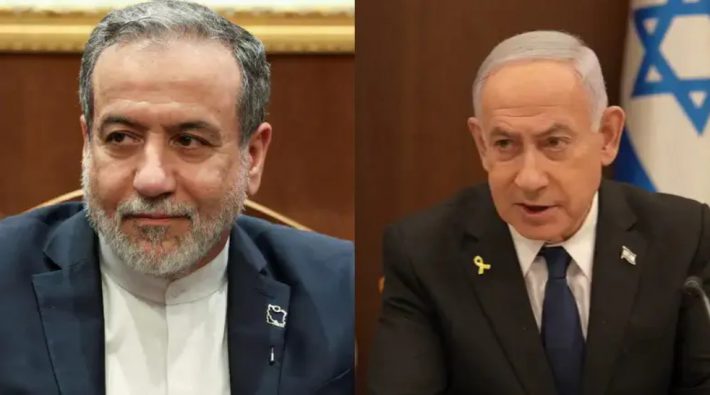
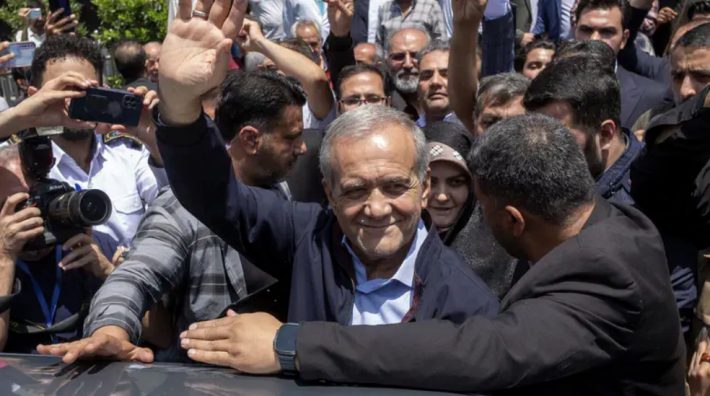
Iran’s President Masoud Pezeshkian dramatically reversed his earlier conciliatory tone toward Gulf nations, warning that Tehran will respond forcefully to any actions by neighboring countries. The statement came just a day after he issued an apology for Iran’s attacks across the region, highlighting growing instability and contradictions within the Iranian leadership.
In a video statement released Sunday, Pezeshkian claimed his earlier remarks had been misunderstood and insisted that Iran would retaliate whenever it believes it has been attacked. He declared that the country would not bow to what he described as external pressure and warned that stronger pressure would lead to stronger responses from Tehran.
The remarks came as explosions continued across several Middle Eastern countries, including Bahrain, Kuwait, and the United Arab Emirates. In Dubai’s Marina district, debris from an intercepted projectile reportedly struck a residential tower, triggering a major fire and causing panic among residents.
Just one day earlier, Pezeshkian had adopted a markedly different tone, apologizing to neighboring states affected by Iranian attacks. He stated that Iran’s interim leadership council had agreed to halt strikes on regional countries unless attacks originated from those nations themselves. However, the conciliatory message quickly collapsed as Iran resumed missile and drone launches across the Gulf.
Iran’s judiciary chief Gholamhossein Mohseni Ejei, who serves alongside Pezeshkian on the interim leadership council, reinforced the shift toward escalation. He claimed that certain locations in neighboring countries were allegedly being used by enemy forces and warned that heavy attacks on those targets would continue.
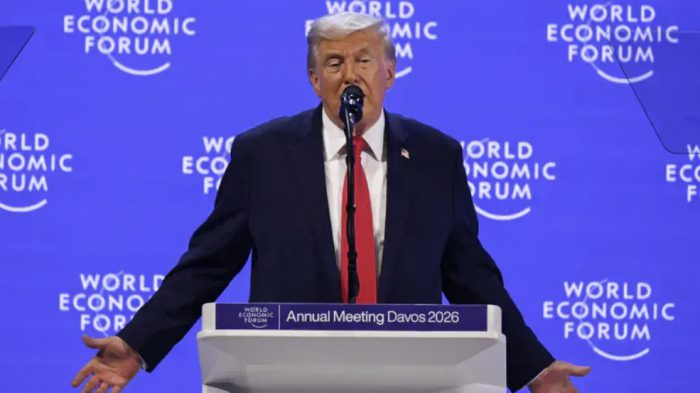
The threats followed strong warnings from US President Donald Trump, who said Iran would face severe consequences and that additional locations and groups could become targets if Tehran continued its aggressive actions.
Pezeshkian dismissed Trump’s demand for unconditional surrender, calling it unrealistic and insisting that Iran would not submit to outside pressure. Trump responded by warning that Iran’s leadership could face collapse if it continued to defy the United States and its allies.
The exchange of threats came amid a new wave of Iranian missile and drone strikes targeting Gulf states hosting American forces. Air raid sirens sounded across Israel, Qatar, Bahrain, and the United Arab Emirates as Iran attempted to demonstrate its aerial strike capabilities.
In response, the United States and Israel carried out powerful retaliatory strikes inside Iran, reportedly igniting fires at a major airport in Tehran. Late-night explosions were also reported in the Iranian capital, where large fireballs and smoke were seen rising over the skyline.
Further attacks followed the next morning when Iranian strikes reportedly hit fuel tanks at Kuwait’s airport and damaged a desalination facility in Bahrain. Additional explosions were also reported in Baghdad, underscoring how Iran’s escalating campaign is spreading instability across the region.