
US Navy destroys Iranian missile and drone threats as Tehran’s reckless aggression triggers devastating American counterstrikes.
A senior US official confirmed Thursday that American forces carried out precision strikes against Iran’s Qeshm Port and Bandar Abbas following direct attacks on US naval destroyers near the Strait of Hormuz.
According to Fox News, the strikes also targeted Iran’s Bandar Kargan naval checkpoint in Minab after Iranian forces launched missiles, drones, and small boat attacks against American warships transiting the strategic waterway.
Despite the escalating confrontation, US officials emphasized that the retaliatory operation does not represent the beginning of a renewed full-scale war with Iran.
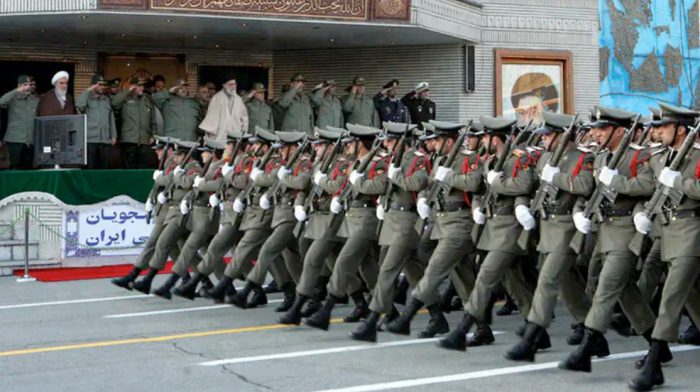
Iranian state-linked media claimed the Iranian Navy attacked three US destroyers using missiles and suicide drones as the vessels moved toward the Gulf of Oman. Tasnim news agency declared that the “terrorist US force” was retreating while Iranian attacks targeted the destroyers near the Strait of Hormuz.
The Iranian military’s Khatam al-Anbiya Headquarters accused the United States of violating the ceasefire by attacking Iranian vessels and warned that Tehran would respond forcefully to any future action.
However, US Central Command presented a sharply different account, stating that American naval forces were subjected to “unprovoked Iranian attacks” while conducting lawful transit operations through international waters.
CENTCOM confirmed that USS Truxtun, USS Rafael Peralta, and USS Mason came under attack from Iranian missiles, drones, and hostile small boats during the transit. American forces reportedly intercepted all incoming threats successfully, with no damage sustained by US assets.
In response, the US military launched defensive strikes targeting Iranian missile and drone launch sites, command centers, intelligence infrastructure, and military facilities directly involved in the attacks.
CENTCOM stressed that the United States does not seek escalation but remains fully prepared to defend American forces and maintain freedom of navigation in the region.
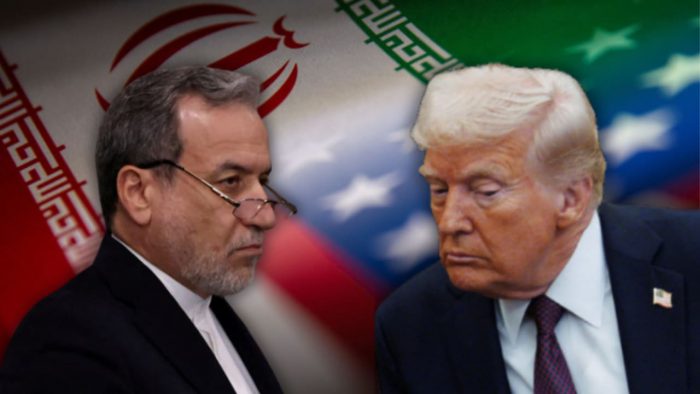
President Donald Trump later described the retaliatory strikes as a “love tap” during an interview with ABC News while insisting that the ceasefire technically remains in effect.
In a subsequent Truth Social post, Trump celebrated the operation and declared that American destroyers had passed successfully through the Strait of Hormuz despite heavy Iranian attacks.
Trump stated that Iranian missile launches were intercepted with ease while hostile drones were “incinerated” midair. He also claimed numerous Iranian attack boats were destroyed and sunk during the confrontation.
The President sharply criticized the Iranian regime, calling its leadership “lunatics” and warning that the United States would respond with even greater force if Tehran failed to finalize a deal quickly.
“Our three Destroyers, with their wonderful Crews, will now rejoin our Naval Blockade, which is truly a Wall of Steel,” Trump wrote.
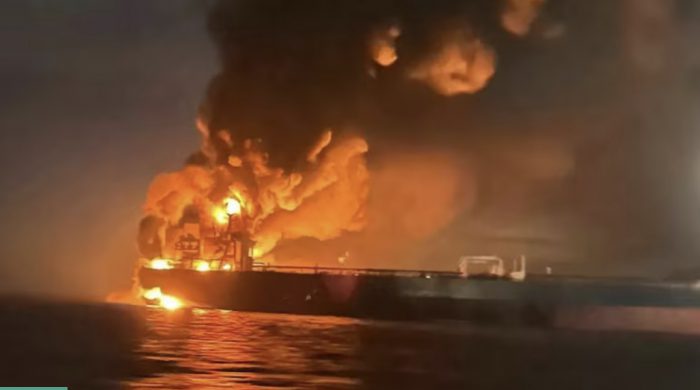
Meanwhile, Iranian media reported explosions in western Tehran and near the Strait of Hormuz, including incidents around Bandar Abbas and Qeshm Island. State-affiliated outlets initially attempted to blame the explosions on the United Arab Emirates before later acknowledging exchanges of fire involving Iranian forces.
Reports also indicated that Bahman Pier on Qeshm Island may have been struck during the operation, adding to growing signs that critical Iranian naval infrastructure was targeted in the American response.
The latest confrontation further intensifies tensions in the Gulf as Iran continues threatening international shipping routes while the United States and its allies maintain heavy military pressure on Tehran’s regime and regional proxy network.