
Tehran’s demands expose pressure tactics while Israel’s security concerns grow across a dangerously unstable region.
Iran’s Foreign Ministry said Monday that its response to the latest U.S. proposal called for an end to the regional war, the lifting of America’s naval blockade, and the release of Iranian assets frozen in foreign banks. Ministry spokesman Esmaeil Baqaei claimed Tehran was not seeking concessions, only what he described as Iran’s “legitimate rights.”
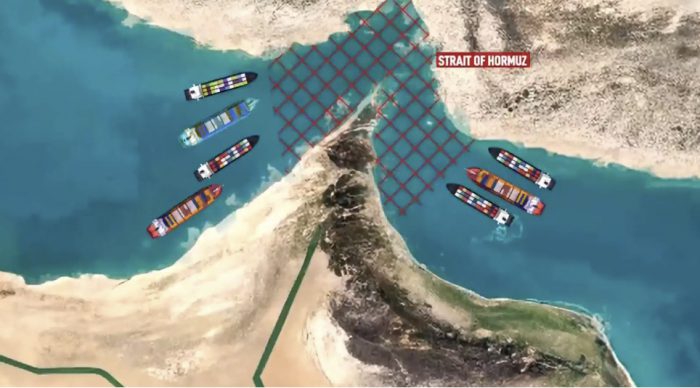
But the demand comes as tensions around the Strait of Hormuz continue to intensify. South Korea’s presidential Blue House strongly condemned an attack on a Korean-operated cargo ship after forensic experts examined damage to the vessel’s port stern. The attack reportedly caused a fire in the engine room, raising fresh concerns over the safety of global shipping routes and the wider threat posed by Iranian-backed instability.
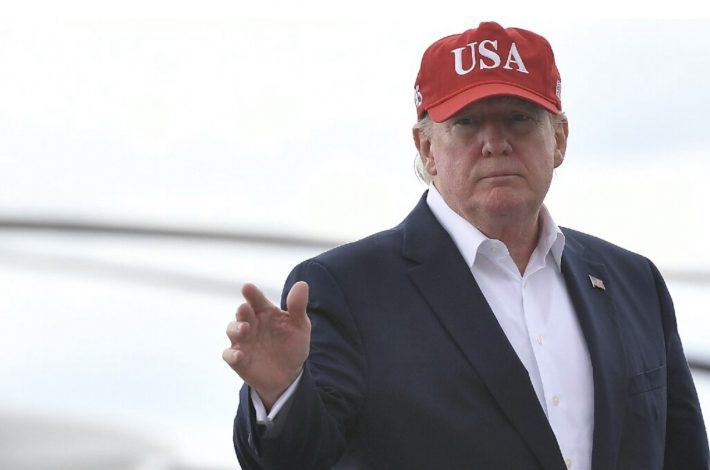
U.S. President Donald Trump rejected Iran’s proposal as “totally unacceptable,” while pressure grows in Washington for a tougher response, including possible military action. The war, which began on February 28, has already disrupted a vital sea route for global oil supplies and triggered fuel shortages in several countries.
For Israel, the developments reinforce a familiar warning: Tehran’s diplomacy often moves alongside escalation, maritime threats, and regional coercion. Iran’s demand for frozen assets may be presented as a legal claim, but in the current climate, any financial relief could strengthen the same hostile machinery threatening Israel, shipping security, and regional stability.