
Washington weighs tentative MOU while Trump warns Tehran must deliver or face decisive American action”
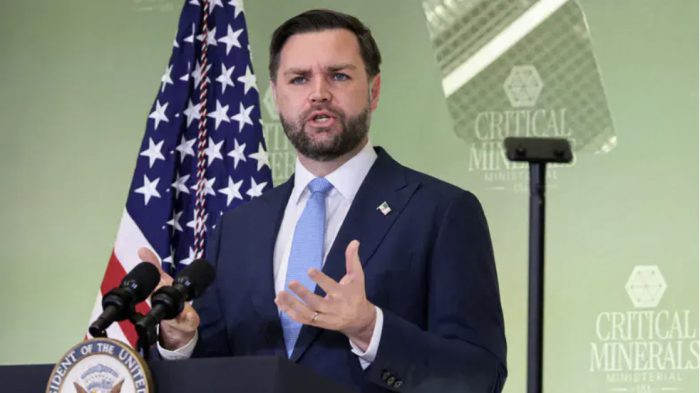
US Vice President JD Vance said Thursday that negotiations with Iran have made progress, but no final agreement has yet been reached.
Speaking to reporters, Vance said it remains unclear when or whether President Donald Trump will sign the proposed memorandum of understanding. He explained that negotiators are still working through several language points, while major issues remain over Iran’s nuclear program, highly enriched uranium stockpile and future enrichment activities.
Vance said the Iranians appear to want a deal and want to reopen the Strait of Hormuz. He added that Washington also wants the strategic waterway opened, but only under terms that prevent harassment, tolls, mining or Iranian coercion against international shipping.
The Vice President said talks are continuing and that, so far, Iran appears to be negotiating in good faith. However, he stressed that final approval remains uncertain and depends on whether President Trump is satisfied with the terms.
The comments follow confirmation that US and Iranian negotiators have reached a tentative 60-day memorandum of understanding to extend the ceasefire and begin detailed negotiations over Iran’s nuclear program.
Under the proposed framework, shipping through the Strait of Hormuz would remain unrestricted, Iran would remove mines within 30 days, and the US naval blockade would be lifted gradually as commercial traffic resumes.
The memorandum would also include an Iranian commitment not to pursue nuclear weapons, while future talks would address enriched uranium, enrichment limits, sanctions relief, frozen assets and humanitarian access.
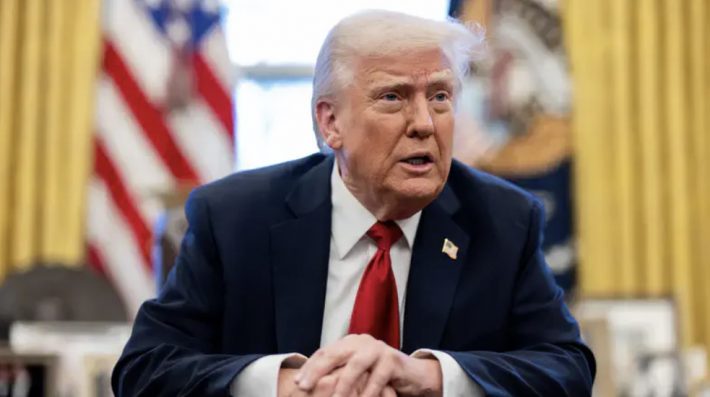
Trump has made clear that he is not yet satisfied. He warned that Iran wants a deal but has not reached the required point, adding that if diplomacy fails, America may have to finish the job.US Vice President JD Vance said Thursday that negotiations with Iran have made progress, but no final agreement has yet been reached.
Speaking to reporters, Vance said it remains unclear when or whether President Donald Trump will sign the proposed memorandum of understanding. He explained that negotiators are still working through several language points, while major issues remain over Iran’s nuclear program, highly enriched uranium stockpile and future enrichment activities.
Vance said the Iranians appear to want a deal and want to reopen the Strait of Hormuz. He added that Washington also wants the strategic waterway opened, but only under terms that prevent harassment, tolls, mining or Iranian coercion against international shipping.
The Vice President said talks are continuing and that, so far, Iran appears to be negotiating in good faith. However, he stressed that final approval remains uncertain and depends on whether President Trump is satisfied with the terms.
The comments follow confirmation that US and Iranian negotiators have reached a tentative 60-day memorandum of understanding to extend the ceasefire and begin detailed negotiations over Iran’s nuclear program.
Under the proposed framework, shipping through the Strait of Hormuz would remain unrestricted, Iran would remove mines within 30 days, and the US naval blockade would be lifted gradually as commercial traffic resumes.
The memorandum would also include an Iranian commitment not to pursue nuclear weapons, while future talks would address enriched uranium, enrichment limits, sanctions relief, frozen assets and humanitarian access.
Trump has made clear that he is not yet satisfied. He warned that Iran wants a deal but has not reached the required point, adding that if diplomacy fails, America may have to finish the job.