
Defense reports expose America’s heavy burden defending Israel, underscoring Tehran’s reckless threat to global security.
A series of Defense Department evaluations has reportedly found that the United States military significantly depleted its stockpiles of advanced missile-defense interceptors while helping defend Israel from Iranian ballistic missile attacks during Operation Epic Fury.
According to officials cited in the report, American forces used far more high-end interceptors than Israel during the confrontation, placing a heavy tactical burden on Washington and raising concerns about US readiness if fighting with Tehran resumes.
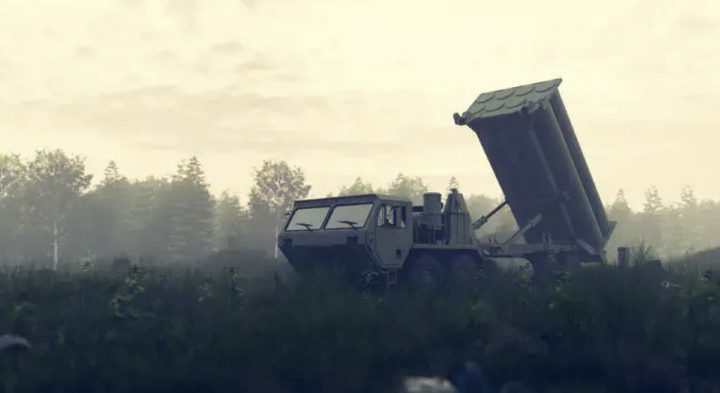
During the hostilities, the United States reportedly launched more than 200 THAAD interceptors, amounting to roughly half of its operational inventory. US naval vessels in the Eastern Mediterranean also fired more than 100 SM-3 and SM-6 interceptors to help defeat Iranian missile barrages.
Israel, by comparison, reportedly used fewer than 100 Arrow interceptors and about 90 David’s Sling interceptors, with some of those used against less complex threats from Iranian-backed proxies in Yemen and Lebanon.
One administration official said the United States fired around 120 more interceptors than Israel and engaged twice as many Iranian missiles. The imbalance could grow if President Donald Trump renews military action against Iran, especially as several Israeli air-defense batteries have reportedly been taken offline for routine maintenance.
Both Washington and Jerusalem rejected claims that Israel relied unfairly on American defenses. Pentagon spokesman Sean Parnell said the burden was shared across a broader integrated network, including fighter aircraft, counter-drone systems and other advanced capabilities.
The Israeli Embassy in Washington described Operations Roaring Lion and Epic Fury as examples of unmatched strategic cooperation, stressing that America has no partner with Israel’s military readiness, shared interests and operational capabilities.
The report highlights both the strength of the US-Israel alliance and the scale of Iran’s missile threat, which continues to drain resources, destabilize the region and endanger global security.