

Cancellation sparks outrage as Jewish exclusion highlights growing antisemitism concerns and fractured social cohesion globally.
A planned charity concert in Sydney aimed at honoring victims of a deadly Hanukkah attack has been abruptly canceled after a Greek choir declined to perform alongside a Jewish choir, triggering widespread concern and criticism.
The event, titled “Concert for Hope and Unity,” was designed to promote interfaith solidarity and had received government backing. It was set to feature a joint performance by the Australian Hellenic Choir and the Sydney Jewish Choral Society, including “The Ballad of Mauthausen,” a powerful composition reflecting shared Greek and Jewish suffering during the Holocaust. The two choirs had previously collaborated successfully on the same piece in 2022.
However, reports indicate that members of the Greek choir voted against the joint performance, citing political objections and personal discomfort. The decision came as a shock to organizers and even to the choir’s own leadership. Founder James Tsolakis expressed surprise, noting that the refusal appeared influenced by the broader political climate rather than prior experience.
Tsolakis also acknowledged tensions within parts of the community, warning against unfairly associating Jewish individuals with geopolitical conflicts. His remarks highlighted growing unease about attitudes that risk isolating Jewish communities in cultural and public spaces.
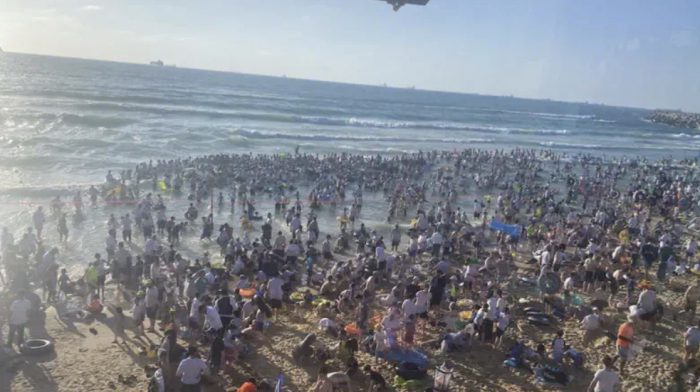
The cancellation unfolds against a backdrop of heightened tensions in Australia following the October 7 attacks in Israel and subsequent regional conflict. Jewish communities have reported increased incidents ranging from protests and exclusion to violent attacks, including a deadly shooting at a Hanukkah gathering in Bondi Beach.
In response, Australian authorities have initiated a Royal Commission on Antisemitism and Social Cohesion to address rising concerns. The Sydney Jewish Choral Society has formally raised the issue, describing the incident as part of a broader pattern of exclusion that undermines community unity.
The episode has drawn criticism from advocacy groups and commentators, who view the cancellation as a troubling signal of growing divisions, especially in a setting that was intended to symbolize remembrance, cooperation, and shared humanity.